The way we sleep and amount of sleep we need changes throughout our lives to accommodate changes in our circadian rhythm as we age.
Have you ever laughed at the term “sleeping like a baby”? Have you ever looked back on childhood and wondered if you slept as well as you remember? Do you know an elderly person who can’t seem to get enough sleep even when they are exhausted? These are all common scenarios because sleep changes dramatically over our lifetimes.
Sleeping Like a Baby
As many parents will attest, the phrase “sleeping like a baby” is somewhat of a misnomer. Newborns have very underdeveloped pineal glands that make only low levels of the essential sleep hormone melatonin, and this small amount only at irregular times. Breastfeeding infants get small amounts of melatonin in breastmilk, but formula fed babies may have a very hard time learning to sleep at night. The result is that small infants sleep for shorter time frames at irregular times and only begin to develop a healthy circadian rhythm around two months of age.
Children and Teens: Sleeping to Grow
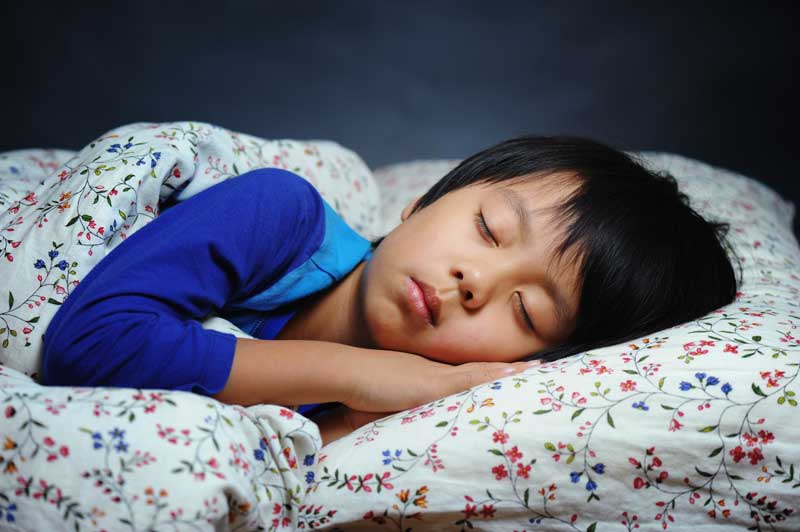 Children are usually good sleepers, sleeping nine to 14 hours a day and spending much of this time in restful deep wave sleep. Chronobiology researchers believe that large amounts of this deep wave sleep are necessary to sustain the fast growth and development of childhood.
As children enter adolescence, their sleep needs remain the same but the timing of their circadian clocks changes slightly. Teens tend to release melatonin later at night than either adults or children, resulting in going to sleep late. In addition, teens tend to be busy and to use cell phones, computers and other screens a lot, which can interfere with melatonin production. When these same teens have to get up early for school and other commitments, they may miss out on the sustained deep wave sleep that they need to develop healthily.
Adult Sleep Patterns and Needs
Many adults look back wistfully to how well they slept in childhood. Unfortunately, we never sleep quite as well as a child again. By the time we are adults, most people have developed a firm circadian rhythm. Most adults need seven to nine hours of sleep. Much of this time is spent in Stage III Non-REM sleep, also known as middle sleep. This sleep phase is not as restorative and refreshing as the deep slow-wave sleep that dominates the nighttime hours of children and adolescents.
Sleep Disturbances in the Elderly
 As people age, they see a slow decline in sleep, both in amount and in quality. For some elderly people, this can mean living in a perpetually sleep-deprived state. A study in chronobiology published in the journal Brain may have identified the reason for this. When people grow older, a group of neurons associated with sleep begin to die. These neurons are located in the ventrolateral preoptic nucleus of the hypothalamus in the brain. Researchers believe that they may regulate circadian rhythm, which explains why elderly people often cannot sleep as much as they truly need to. Identifying the neurons behind sleep decline in the aged may help doctors to develop new treatments to help older people sleep.
Our circadian rhythms change throughout our lives to accommodate new physiological needs. Understanding how sleep changes with age can help us to develop new treatments that work with our natural internal clocks.
You may also be interested in...
-

New studies in chronobiology are being released and covered in the media every week. In…
-
People who live with Parkinson's disease quickly find that even routine tasks become difficult as…
-
Maintaining a healthy circadian rhythm is essential to maintaining good health. Sleep disorders have been…