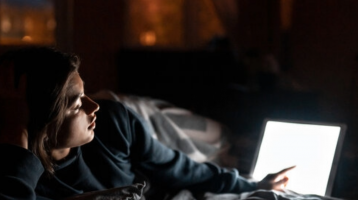
Attention to detail can make all the difference in world-class competitive sports. Circadian rhythms are an important detail to consider.
Winning a gold medal is not just a matter of natural talent. Athletes train for decades with a variety of staff and plan every aspect of their performance and their health to make sure they are at their peak when they get their chance to go for the gold. For many modern athletes, this attention to detail includes careful consideration of circadian rhythms and the way sleep-wake cycles can affect performance.
Technological Advances in Planning Sleep-Wake Cycles
Competitive sports require travel, which in turn requires changing time zones on a regular basis. Recent studies in chronobiology have led to interesting new devices and technologies for athletes who will be suffering from a major disruption to their circadian rhythms just before a competition.
For example, Propeaq glasses have colored lenses so athletes can adjust the color of light being received by their retinas, allowing a slow change in circadian rhythm. The included Propeaq app helps users to determine which lenses are the best to use in any given situation. Although relatively new, they have already been used by 115 athletes from the Netherlands, Belgium, Australia, the UK and the USA. Special Halo Neuroprimer headphones are also used which transmit electrical signals to the brain, increasing mental and physical function when jet lag strikes. These are just a few of the many technologies used when athletes are going for the gold.
Elite athletes have access to many technologies that are out of reach for the general public. However, there are a few ways that you too can train your circadian rhythm like an Olympian.
Diet, Sports and Circadian Rhythms
Eating habits are an important part of reaching the top of your game in any aspect of life, but especially in athletics. Planning your diet to maximize performance means more than just getting lots of vegetables and lean protein. When you eat can also make a noticeable difference. People who eat at regular times have rhythmic fluctuations in the activity of their gut bacteria that can improve digestion and reduce weight gain. Those who do not eat at regular times, on the other hand, do not have these rhythmic fluctuations, which may lead to metabolic disturbances and circadian misalignment.
Sleep-Wake Cycles on a Constantly Changing Schedule
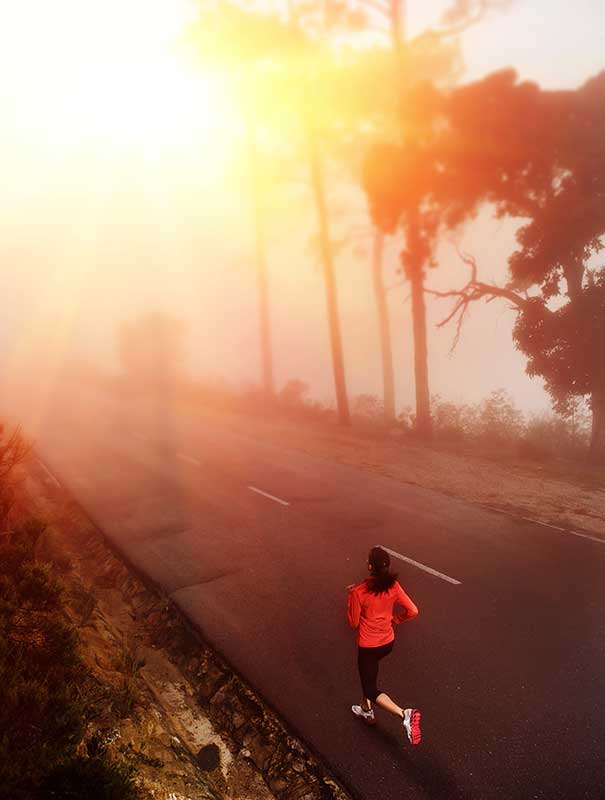 We tend to think of athletes as superhuman, but they have the same physiology as other people. This includes a need for a steady circadian rhythm. Traveling around the world for sports competitions poses a challenge to an athlete’s sleep-wake cycles, which can lead to decreased physical performance, lower morale and even a higher rate of injuries. This jet lag is compounded by the fact that many competitions, including some Olympic events, are held late at night or early in the morning. For example, the swimming competitions held in Rio will take place around 2200 to midnight. The reason for this? The audience in the United States wants to watch that competition at prime time. Athletes perform their personal best in these situations with a mixture of light therapy, melatonin and carefully planned activity schedules. They begin planning for their change in time zone days to weeks before leaving, and then continue to move their bodies toward local time as soon as they arrive. In addition, many athletes plan practices so they occur at the same time as the future match. Fine tuning the circadian rhythm before a “big day” of any kind leads to better performance.
Psychological impact is another important consideration. People who have jet lag are more likely to be depressed, anxious and make poor decisions. This is a major reason that people hire consultants specializing in competitive sports and circadian rhythms. Planning proactively for these symptoms and developing ways to prevent them can make all the difference for a person who is pushing themselves to their personal best.
Are you tired of performing at less than your personal best? Adopting a few of these measures to get your circadian rhythm on track may be an answer. If athletes benefit from light therapy, melatonin and other circadian rhythm therapies, the average person will likely see a noticeable difference as well. The research on optimizing sports and circadian rhythms can be easily applied to your own life to give you the competitive edge you need.
You may also be interested in...
-

One in 12 Americans suffers from asthma, an inflammatory airway disease costing an estimated $56…
-
ADHD and related disorders have increased to almost epidemic levels in the United States. Research…
-
Most humans wake in the morning and go to sleep at night. Lather, rinse and…